Product Marketing Case Studies
B2B SaaS Product marketing
Improved product adoption by 25% while increasing sales close rate by 20% and reducing sales cycle by 15%.
Problem
Our B2B software company offered a proprietary lead generation and CRM solution, enabling clients to connect directly to our platform to receive and manage sales leads. While the platform had initially seen success, we began noticing concerning trends: customer retention rates were dropping, contract amounts were decreasing, and clients were struggling to fully utilize the product’s capabilities to generate high-quality leads and close deals effectively.
Key issues included:
- Decreasing Product Retention: Clients were not renewing contracts at the expected rate due to underutilization of features, technical difficulties, and inadequate support in converting leads into actual sales.
- Extended Sales Cycles: Clients were experiencing longer sales cycles, hindering their ability to close deals efficiently.
- Underperforming Marketing and Sales Teams: Our marketing materials and collateral were insufficient for sales teams to effectively communicate the platform’s value to prospects, leading to decreased adoption rates.


solution
I took on the task of addressing these pain points by implementing a multi-faceted approach that improved both the platform’s features and the marketing support provided to clients.
1. Enhancing Product Features and Usability
- Calling Center Integration: We introduced an integrated calling center service to help our clients close leads directly through our platform. By offering this additional service, we provided clients with a more streamlined process for lead management, reducing the friction in converting leads into customers.
- User Experience and Interface Improvements: Worked with the product development team to improve the overall interface and user experience, making it easier for clients to navigate the platform, utilize its features, and manage leads efficiently. This involved optimizing workflows, creating clearer reporting dashboards, and simplifying data entry processes to enhance usability.
2. Revamping Marketing and Sales Collateral
- Marketing Materials for Sales Enablement: Developed new marketing collateral, including case studies, whitepapers, and product demos, that demonstrated the platform’s value proposition. This provided sales teams with better resources to present to prospects and existing clients, helping them understand how the product could drive growth and improve lead management.
3. Collaboration with Business Development
- Data-Driven Insights for Business Development: Collaborated with the business development team to provide insights from marketing campaigns and customer behavior research. This data was used to refine our outreach strategies, allowing the sales teams to better target potential clients and upsell existing ones by showing real-world results from marketing efforts.
4. Closing the Loop Between Marketing and Product Development
- Client Feedback Integration: Leveraged feedback from clients and marketing campaigns to inform product development priorities. By understanding what features clients needed most, we were able to continuously refine the platform and increase its utility for lead generation and sales closure.
results
Within months of implementing these changes, the company experienced significant improvements in product adoption, client satisfaction, and overall sales performance:
- 25% Increase in Product Adoption: The introduction of enhanced calling center services and UX improvements led to a 25% increase in product adoption. Clients were more engaged with the platform and saw the value in its full range of features.
- 15% Reduction in Sales Cycle Length: The improvements in product usability, along with the revamped sales collateral, helped shorten the sales cycle by 15%. Clients were able to manage their leads more efficiently, leading to quicker deal closures.
- 20% Increase in Sales Team Close Rate: The enhanced marketing materials, combined with real-time insights from the marketing and business development teams, empowered the sales force to close more deals. This resulted in a 20% higher close rate, boosting the overall performance of the sales team.
These efforts not only led to increased client satisfaction and retention but also positioned the company for long-term growth by delivering more value to its customers and optimizing the entire lead-to-close process.

AI Software Product marketing
Increasing product adoption by 75% and reducing churn by 30%.
Problem
Our AI-driven marketing software, designed for agencies and businesses, was struggling to carve out a competitive advantage and achieve strong product-market fit. Despite a range of AI-based features, we faced challenges in gaining traction in a crowded marketplace. Adoption rates were low, and retention was slipping as clients found it difficult to differentiate our platform from competitors. As a result, both customer acquisition and long-term retention were underperforming, threatening the software’s growth potential.
Key challenges included:
- Lack of Clear Competitive Differentiation: The software lacked standout features that set it apart from other AI marketing platforms, making it hard to gain market share.
- Low Adoption and Retention: Users were not fully adopting the platform, and clients were failing to renew their contracts, leading to a high churn rate.
- Ineffective Messaging: Our value proposition was not effectively communicated, leaving prospects unclear about how the software could address their specific pain points.
solution
To address these issues, I led a comprehensive initiative aimed at sharpening our competitive positioning, improving the product itself, and refining our go-to-market strategy. The solution was built on three main pillars:
1. Conducting Competitive Analysis and Developing Differentiated Features
- Competitive Analysis: I conducted an in-depth competitive analysis to identify gaps in the market where our product could excel. By benchmarking our platform against competitors, we uncovered opportunities to enhance our feature set and position the software as a leader in the space.
- Developing Standout Features: Based on insights from the competitive analysis and customer feedback, we developed key features that would set us apart, including:
- SEO Optimization Tools: AI-powered SEO tools that helped agencies and businesses optimize their content and web presence.
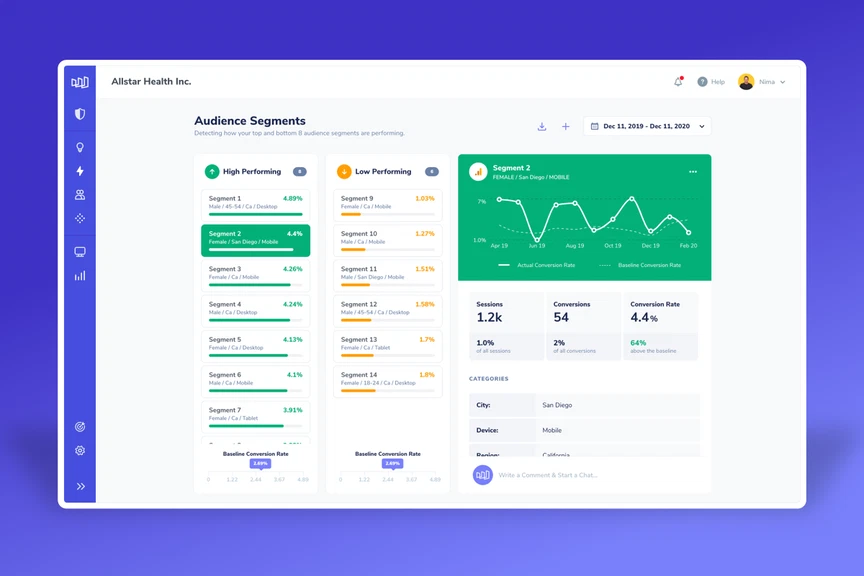
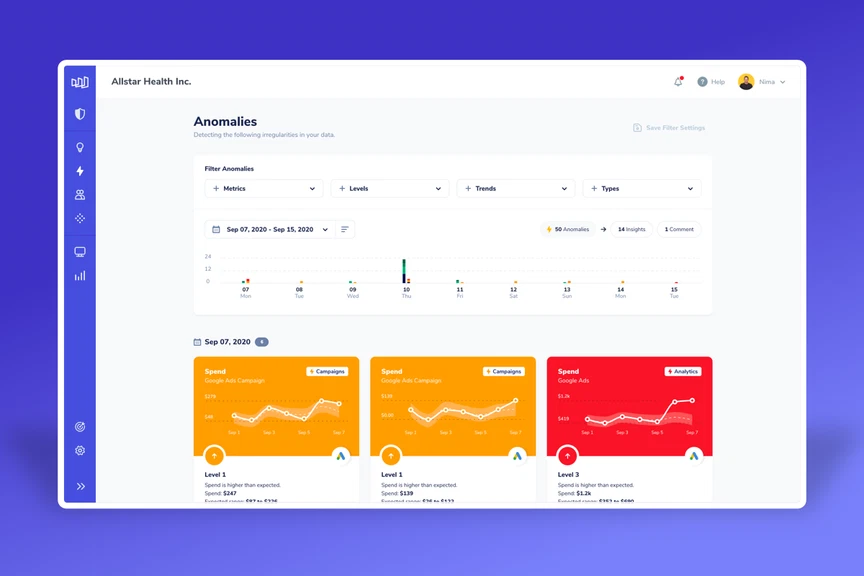
- Forecasting and Predictive Analytics: Advanced forecasting features that allowed users to predict campaign outcomes, budget needs, and future performance, making the platform indispensable for data-driven marketing strategies.
- AI-Based Suggestions: An intelligence-driven feature that provided actionable recommendations to improve marketing campaign performance, based on real-time data.
2. Customer-Centric Development and Feedback Integration
- Client Interviews and Demos: I actively listened to client demos and interviewed existing customers to gather insights into their challenges, unmet needs, and preferences. This direct feedback informed the product development process and allowed us to prioritize the most impactful features.
- Intelligence Tools: Used AI and competitive intelligence tools to monitor market trends, identify customer pain points, and refine product development to better align with customer expectations.
3. Revamping Messaging and Website for Clearer Communication
- Reworked Messaging and Targeting: We revamped our product messaging to better communicate the software’s unique value propositions. By clearly articulating how the platform addressed specific pain points for agencies and businesses, we made it easier for prospects to see the direct benefits.
- Website Overhaul: The website was redesigned to reflect the new messaging, making it more user-friendly and focused on conversion. The updated site clearly outlined the product’s features, target audience, and use cases, helping prospective customers understand how our software could drive results.
results
The combination of enhanced product features, customer-centric development, and improved messaging yielded significant results within months:
- 100% Increase in Product Adoption: The introduction of new, differentiated features—such as SEO tools, forecasting, and AI-based suggestions—doubled product adoption rates. Clients saw immediate value in the platform’s ability to improve their marketing performance, leading to more frequent and deeper usage.
- 50% Increase in Retention: By addressing client pain points more effectively and delivering real, tangible results through our improved features, we reduced churn and increased customer retention by 50%. Clients were more engaged with the platform, renewing their contracts and even expanding their usage.
- Stronger Marketing Performance: With our adjacent efforts through SEO and rebranding, I helped increase our organic traffic 192%, website conversion rate by 3x, and MQLs by 41%
This strategic overhaul enabled the software to gain momentum in a highly competitive market, securing its place as a go-to solution for marketing agencies and businesses looking to leverage AI for enhanced results.

Growing a successful online school
Scaling a 10,000+ student online academy and developing impactful products.
Problem
After over 6-7 years of consulting for high-revenue businesses (8-9 figures) and successfully driving tens of millions of dollars in attributable revenue, I identified a new opportunity to scale my impact—expanding into the online education space. I wanted to share the knowledge and strategies I had used to help large businesses succeed but needed a way to effectively package this expertise for a broader audience.
The challenge lay in identifying the right topics, structuring the content for an online format, and building an educational platform that would resonate with aspiring entrepreneurs, freelancers, and marketers.


solution
I conducted thorough market research, including surveys and audience outreach, to understand the exact pain points and educational gaps that my target audience wanted to address. This research guided the content creation process and ensured that the courses would deliver value aligned with the audience’s needs and aspirations.
Key steps in the solution included:
- Market Research and Audience Insights: Leveraged my existing network and ran surveys to identify key topics of interest among aspiring entrepreneurs, marketers, and freelancers. This helped to uncover specific challenges such as transitioning into freelancing, growing personal brands, and mastering digital marketing skills.
- Building an Online School on Teachable: Using Teachable’s platform, I created an easy-to-navigate online school that housed multiple courses. These programs were designed with a clear curriculum to take students from foundational knowledge to advanced skills.
- Course Development: Developed and launched several in-depth programs covering topics such as digital marketing, entrepreneurship, freelancing, and brand-building. Each course was structured with video lectures, downloadable resources, assignments, and community support, all tailored to promote high engagement and practical learning outcomes.
- Student Support and Engagement: Built-in support mechanisms such as discussion forums, live Q&A sessions, and interactive feedback, ensuring that students had the tools and resources to complete the courses and apply their knowledge in real-world settings.
results
The online school has grown to become a thriving educational platform with over 10,000 enrolled students. Key results include:
- High Course Completion Rates: The programs maintain high completion rates, reflecting strong engagement and the practical value of the course materials. Students actively complete the courses and apply their learnings to real-world situations.
- Student Success Stories: Graduates of the programs have gone on to achieve remarkable results:
- Marketing Careers: Many students have successfully transitioned into full-time digital marketing roles at startups and established companies.
- Freelance Growth: Others have expanded their freelance businesses, adding 5-6 figures in additional income annually by implementing the strategies taught in the programs.
- Brand Building: A number of students have also launched and grown their own personal or business brands using the entrepreneurial and marketing skills learned from the courses.
This online education venture has allowed me to scale my expertise beyond traditional consulting, empowering thousands of individuals to build successful careers and businesses through digital marketing and entrepreneurship.
